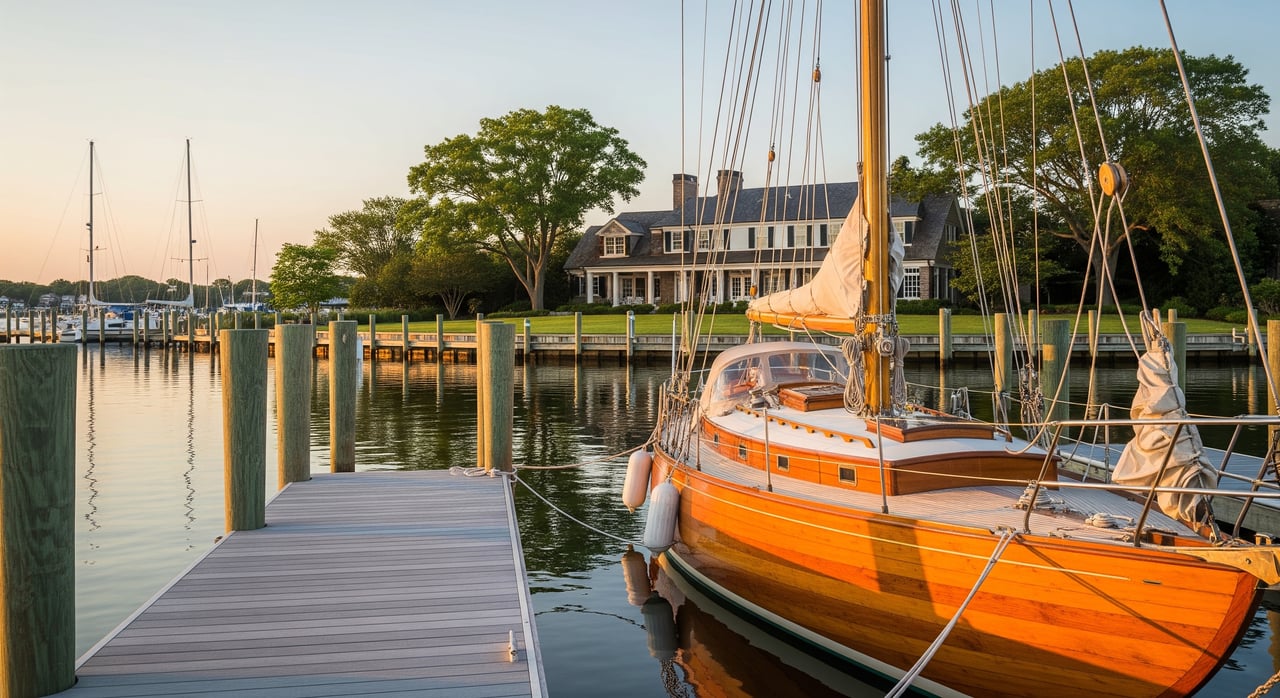
Picture your morning coffee on a quiet pier while ospreys skim the water and sails dot the horizon. If that image has been calling your name, you are not alone. Waterfront living in Annapolis is special, but it comes with real costs, rules, and daily rhythms that matter. In this guide, you will learn what life actually looks like on the Severn River, Spa Creek, and nearby waterways, plus the key questions to ask before you buy. Let’s dive in.
Waterfront options to know
Downtown and City Dock
If you want walkability and views, downtown near City Dock is hard to beat. You will see historic streets, lively restaurants, and boats cruising into “Ego Alley.” Many homes are condos or townhomes with premium pricing per square foot, thanks to location and views. Expect crowds and event traffic during peak seasons.
Eastport on Spa Creek
Eastport sits across the drawbridge from downtown with a proud maritime identity. You will find small waterfront homes, marinas, and sailing schools within a neighborhood feel. Parts are very walkable to dining and services. It is active on the water, especially on weekends and during events.
Spa Creek and Annapolis Neck
Along Spa Creek and the Annapolis Neck, you will see a mix of condominiums, cottages, and single-family homes, many with private docks. Some pockets are close to town while others feel more secluded. Your daily errands may require a short drive depending on where you land.
Anne Arundel suburban waterfront
Communities like Arnold, Severna Park, and Cape St. Claire offer more suburban living along the Severn and South Rivers. Many neighborhoods have community marinas and HOA amenities. Commutes and shopping patterns differ from downtown, so test your routes at peak times. These areas often appeal if you want yard space and community boating access.
Daily life and seasons
Walkability and commuting
Downtown and parts of Eastport are very walkable to restaurants, galleries, and services. Outside the core, plan on driving for groceries, schools, and commuting. Many residents travel to Baltimore, BWI, and the Washington region, and drive times swing with traffic and event days. Public transit options exist but are more limited than larger metro areas.
Boating culture and events
Boating is a way of life here. You will find private boats, sailing programs, yacht clubs, and frequent regattas. Commissioning Week at the Naval Academy in late spring, summer weekends, and fall boat shows all amplify activity on the water and in town. If you do not own a boat, you can still enjoy charter options, community marinas, and waterfront parks.
Dining and nightlife
Seafood spots, bistros, breweries, and cafes cluster around the waterfront. Summer brings outdoor seating and energy, especially near City Dock and Eastport. Spring and fall stay lively with boating and events, while winter slows down with calmer streets and fewer boats.
Real costs and upkeep
Purchase premiums and value drivers
Waterfront homes command a premium over inland properties. Condos near the docks price high per square foot, and single-family homes range from modest creek-front cottages to large bayfront estates. Water depth, dock access, lot size, and proximity to downtown all influence value.
Ongoing maintenance
Plan for higher exterior upkeep from salt and moisture, plus care for bulkheads, docks, and boat lifts. Budget for routine inspections, repairs, and replacement timelines. Community marinas shift costs to annual fees, but private docks still need maintenance and insurance.
Insurance and risk
Flood insurance may be required by lenders if a home sits in a FEMA Special Flood Hazard Area. Many buyers choose policies even when not required. Premiums vary by elevation, construction, flood zone, and mitigation measures, and wind or boat liability can add to the mix. Ask for elevation data and any flood history during due diligence.
Utilities and systems
Inside city limits you are more likely to have public water and sewer. Outside, septic systems are common and may come with specific maintenance rules. Confirm sewer or septic status, pump history, and permit records before you finalize a contract.
Docks, marinas, and slips
Some homes have private slips, which add convenience and value. Community marinas often use assigned or waitlisted slips with seasonal pricing. Transient slips and winter storage are additional costs to consider if you plan to boat regularly.
Access and boating limits
Water depth and tides
Not every waterfront lot is suitable for a large sailboat or deep-draft powerboat. Shallow channels, local shoals, and tidal range can limit access at low tide. If you own or want a larger boat, verify approach depth and channel conditions for your specific property location.
Moorings and navigation channels
Many local waterways include federal navigation channels. Private piers and docks require permits that consider navigation and protected resources. If you hope to expand or rebuild a pier, gather current permits and consult qualified experts early.
Rules and environmental factors
Flood risk and sea-level rise
Annapolis is low-lying and subject to tidal flooding, storm surge, and long-term sea-level rise. Regional flood frequency has been increasing. For any address you consider, review flood maps, ask for an elevation certificate if available, and request any known flood or insurance claim history.
Critical Area regulations
Most tidal waterfront properties in Maryland fall within the Critical Area, which carries rules on buffers, lot coverage, and shoreline impacts. Expect added steps for additions, landscaping, and stormwater work. Getting clear on what is allowed will prevent costly surprises.
Shoreline and dock permitting
Work on docks, bulkheads, and shoreline stabilization typically requires permits from the county and state, and sometimes the U.S. Army Corps for navigable waters. Submerged aquatic vegetation, wetlands, and shellfish areas can affect what is approved. Build realistic timelines for any waterfront project.
Historic District review
If you are in the Annapolis Historic District, exterior changes and some dock structures may face design review. This can preserve neighborhood character, but it adds process. Confirm boundaries and requirements early in your planning.
Smart buyer checklist
Use this list as you tour homes and compare neighborhoods.
- Flood zone: Is the property inside a FEMA Special Flood Hazard Area? Ask for parcel-specific flood maps and any elevation certificate.
- Elevation and history: Request elevation data and any known flood or insurance claim history.
- Riparian rights and dock status: Who owns the rights? Is the dock permitted? Note age, condition, and maintenance records.
- Bulkhead and shoreline: Age, materials, last repairs, and any erosion or scour issues.
- Sewer or septic: Confirm utility type, septic pump history, and permit status.
- HOA and marina rules: Slip assignment process, waitlists, seasonal fees, and any special assessments.
- Boat access: Channel depth to your dock or marina, tidal limits, and typical wake or traffic conditions.
- Commute and traffic: Drive your routes during rush hour and during major events.
- Noise and tourism: Visit at different times of day and in-season to gauge crowds and activity.
- Permits and feasibility: Check what Critical Area and local zoning allow for additions, dredging, or replacing bulkheads and piers.
Is Annapolis waterfront right for you?
If you crave a strong maritime culture, active boating scene, and scenic views, Annapolis delivers. The tradeoff is higher purchase prices and ongoing maintenance, plus rules that shape what you can change on the shoreline. Flood risk and event traffic are also part of the picture in some areas. When you plan ahead for these realities, the lifestyle can be well worth it.
Ready to explore homes that match your lifestyle and budget? Get local insight, a clear due-diligence roadmap, and concierge-level support from Romeo Santos III.
FAQs
What does a typical day look like for Annapolis waterfront residents?
- Many residents start or end the day on the water, walk downtown or in Eastport for dining, and plan weekend boating around tides and events; winter is quieter with fewer boats.
How much extra should I budget for waterfront maintenance?
- Expect higher costs than inland homes for exterior upkeep, plus dock, bulkhead, and boat-lift maintenance; exact numbers depend on materials, age, and exposure.
Do I need flood insurance to buy a waterfront home in Annapolis?
- If the property is in a FEMA Special Flood Hazard Area, lenders may require it; many buyers still carry policies outside mapped zones based on elevation and risk tolerance.
Can every waterfront property handle a large sailboat?
- No, access depends on water depth, channel conditions, and tides; verify approach depth and any navigation limits before you commit.
What permits do I need to rebuild a dock or bulkhead?
- Dock and shoreline work typically needs county and state approvals, and sometimes federal review, with rules shaped by the Critical Area and environmental resources.
How busy does it get near City Dock and Eastport in season?
- Activity spikes during Naval Academy Commissioning Week, summer weekends, and the fall boat shows, which can affect traffic, parking, and marina demand.