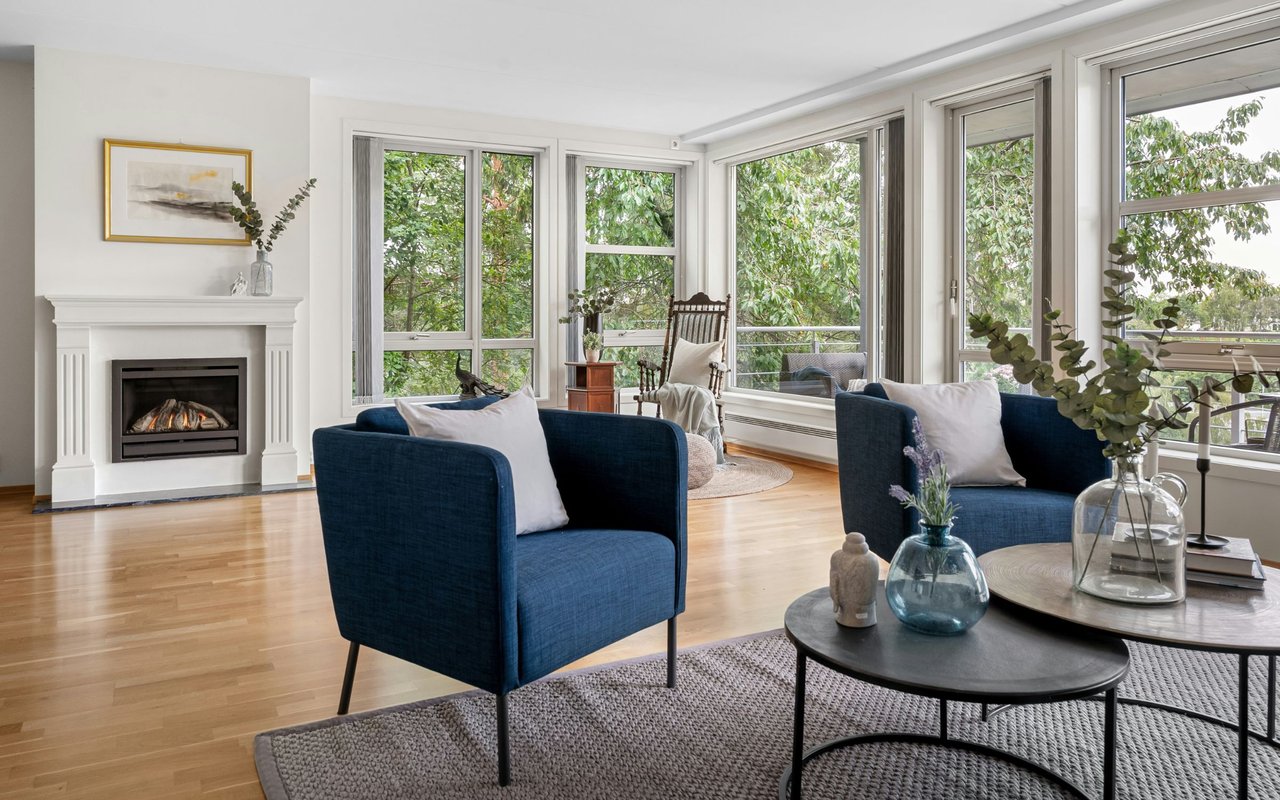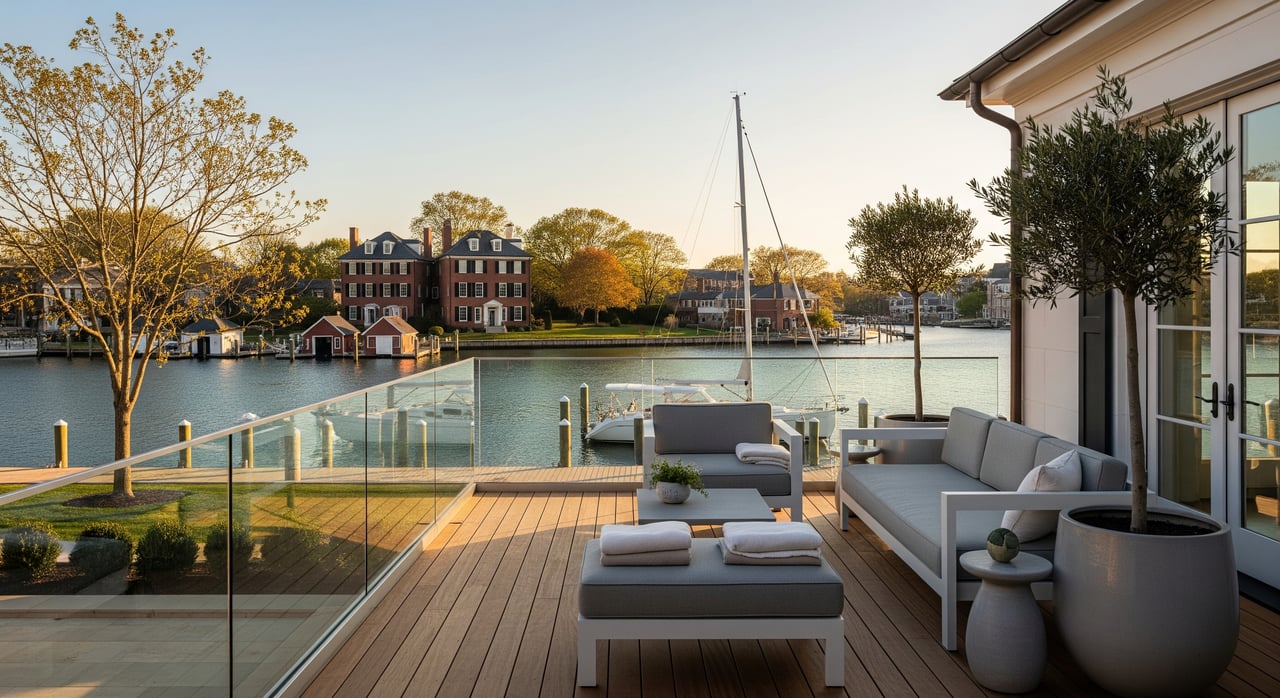
Picture your morning coffee overlooking the Severn River, then walking to your boat for a quick run on the Chesapeake. If you are choosing between a waterfront condo and a single‑family home in Annapolis, the decision touches more than view and vibe. You will balance costs, maintenance, boating access, rules, and resale. This guide breaks down what matters most so you can match your lifestyle to the right property and buy with confidence. Let’s dive in.
Waterfront costs and fees
Waterfront property commands a premium in Annapolis and Anne Arundel County. Condos often bundle exterior upkeep, amenities, and marina services into a monthly fee, while single‑family homeowners carry those costs directly. Fee levels vary by community and services offered, so compare line items rather than just the total.
Flood risk is part of the cost picture. Start by confirming the FEMA flood zone and base flood elevation for any property using the FEMA Flood Map Service Center. If a lender requires flood coverage, you will shop the National Flood Insurance Program and private options, and premiums will reflect elevation and mitigation features.
For condos, budget for possible special assessments tied to big ticket items like bulkheads, piers, and seawalls. For single‑family homes, set aside reserves for shoreline structures, roof and siding, and salt‑exposed mechanicals. Plan for higher ongoing maintenance on the water, even when day‑to‑day tasks feel light.
- Check flood zone and request elevation certificate early via FEMA resources.
- Ask condo associations about reserves, recent assessments, and marina upkeep.
- Obtain insurance quotes for homeowner and flood coverage before you make an offer.
Helpful resources:
- Review your property’s flood zone using the FEMA Flood Map Service Center.
- Learn how flood insurance works through the NFIP consumer site, FloodSmart.
Maintenance and shoreline work
Waterfront systems require attention. For single‑family homes, you are typically responsible for docks, lifts, piers, and shoreline stabilization. These components need specialized contractors and can be costly to repair or replace.
Condo associations usually maintain shared docks and bulkheads, which simplifies your to‑do list but creates shared financial exposure. Read the reserve study and meeting minutes to see what projects are coming and how they will be funded.
Both property types face salt and moisture exposure that can accelerate wear on decks, railings, HVAC equipment, and exterior hardware. Some owners use living shorelines, a natural stabilization approach encouraged in Maryland, to reduce erosion and improve habitat. The Maryland Department of Natural Resources offers guidance on living shorelines and tidal wetlands work.
Boating access and convenience
If you run your boat several times a week, a private dock at a single‑family home offers maximum convenience. You can customize lifts, davits, and storage, subject to permits and local water depth. This setup reduces daily friction and puts the water at your doorstep.
Condo communities with marinas provide slip access without the personal maintenance burden. Rules vary by building, and slip assignments, size, and transferability matter. Ask about waitlists if you need a specific slip size.
Depth at low tide, bridge clearances, and proximity to channels all affect usability. Check NOAA’s local station for Annapolis tides and currents, then confirm navigation details with the City of Annapolis Harbormaster for mooring, transient slips, liveaboard rules, fueling, and pumpout guidance.
Useful links:
- See local tides and currents from NOAA’s Annapolis station.
- Review marina, mooring, and harbor rules with the City of Annapolis Harbormaster.
Privacy and lifestyle tradeoffs
Condos favor a lock‑and‑leave lifestyle with social amenities like pools and fitness rooms. You gain easier travel, on‑site management, and often added security. You also accept community rules, shared walls, pet limits, and possible marina or event noise.
Single‑family waterfront homes deliver privacy, outdoor space, and more freedom to tailor your dock and yard, subject to permits. They can also sit on quieter creeks that feel calmer than downtown areas. The tradeoff is full responsibility for upkeep and more hands‑on coordination with contractors.
Think about your noise tolerance as well. Annapolis hosts active boating and seasonal events, and properties near marinas or downtown can experience boat traffic and festival activity.
Permits, inspections, insurance
Waterfront improvements sit within overlapping county, city, and state rules. Docks, bulkheads, living shorelines, and boatlifts typically require permits from the Anne Arundel County Department of Inspections and Permits, with added approvals for tidal wetlands from state agencies. Properties within the Critical Area have buffers and setbacks that shape what you can build and how you maintain vegetation.
Bring in the right inspections. In addition to a standard home inspection, consider a marine or civil professional to evaluate pilings, decking, electrical safety at the dock, erosion or scour, and the remaining life of seawalls. If the property is in a mapped flood zone, an elevation certificate can help your lender and insurer price coverage more accurately.
Insurance has layers. Confirm what the condo master policy covers versus what you need to insure under your own policy, including improvements and contents. For single‑family homes with private docks, check liability coverage for guests and contractors.
Regulatory resources:
- Anne Arundel County Inspections and Permits for shoreline and structural permits.
- Anne Arundel County Critical Area Program for buffers and setbacks.
- Maryland DNR living shorelines guidance for natural stabilization.
- FEMA guidance on elevation certificates and flood ratings.
Resale and financing factors
Resale value on the water reflects more than interior finishes. Buyers pay close attention to the condition and permits for docks, lifts, and bulkheads, slip depth at low tide, and orientation of views. Well‑documented shoreline work and newer marine systems support stronger pricing.
Condo financing can be more complex than single‑family. Lenders and some government‑backed programs review a project’s financials, reserves, litigation status, and owner‑occupancy rates. If a building is not eligible with certain loan programs, it can limit the buyer pool and affect time on market.
For both property types, flood history, elevation, and mitigation features influence buyer confidence and insurance costs. Ask for documentation of permits, past repairs, and any known flood claims before you write an offer.
Which fits your life
Active local boater
- Best fit: Single‑family home with a private dock.
- Why: Highest convenience for frequent trips, customized lifts and storage, easier loading and maintenance.
Part‑time boater or weekender
- Best fit: Waterfront condo with assigned slips or on‑site marina.
- Why: Low maintenance, managed marina, and easy lock‑and‑leave travel.
Downsizer who wants amenities
- Best fit: Condo with water views and building services.
- Why: Elevators, fitness and social spaces, and a building team to handle upkeep.
Family seeking yard and flexibility
- Best fit: Single‑family home with private outdoor space.
- Why: More privacy, room to play, and flexibility for future projects, subject to permits. Always verify school assignments directly with the district.
Investor exploring rentals
- Fit varies by rules.
- Why: City and county ordinances and condo bylaws may restrict short‑term rentals. Review everything before you assume rental income.
On your tour checklist
- Confirm current FEMA flood zone and ask for an elevation certificate if available.
- Request history of flooding or insurance claims.
- Inspect seawall, bulkhead, pilings, decking, and any boatlift for condition and age.
- Review permit history for shoreline structures and any past repairs.
- For condos: read budgets, reserve study, special assessments, litigation, master insurance deductibles, marina rules, slip assignment and transfer details, rental rules, and owner‑occupancy ratio.
- For single‑family: document private shoreline improvements, any shared dock agreements, access and easements, septic or sewer status, and distances to service providers.
- Verify slip dimensions, depth at low tide, and whether the slip is deeded or assigned.
- Ask your lender about condo eligibility early if you plan to use FHA or VA financing.
- Get quotes for homeowner and flood insurance, including private flood options.
- Note local nuisance factors like marina traffic, annual events, wakes, and ferry routes.
Next steps
- Pull your property’s flood map and talk to your insurer about coverage.
- Call the Harbormaster to confirm rules around slips, liveaboard status, and guest docking.
- If you are considering shoreline work, speak with the county permits office and review Critical Area guidance.
- Line up a marine specialist to evaluate docks, lifts, and shoreline stability during your inspection window.
- Review HOA or condo documents early, especially reserves, assessments, and marina policies.
If you want a clear plan that fits your boating habits, budget, and long‑term goals, connect with a local advisor who knows both the water and the numbers. For tailored guidance and a concierge experience from search to closing, reach out to Romeo Santos III.
FAQs
What flood resources should Annapolis buyers use?
- Use the FEMA Flood Map Service Center to confirm flood zones, and review FEMA’s elevation certificate guidance for rating and insurance.
How are condo slips handled in Annapolis waterfront communities?
- Slip availability, size, and transfer rules vary by association; some have waitlists, so review marina rules and documents before you commit.
Who issues permits for docks and bulkheads in Anne Arundel County?
- Start with Anne Arundel County Inspections and Permits, then follow Critical Area rules and state tidal wetlands guidance when applicable.
What inspections should I order for a waterfront home?
- Along with a standard home inspection, hire a marine or civil professional to assess the dock, lift, seawall, erosion, and electrical safety at the pier.
Do condos or master policies cover flood damage to units?
- Master policies often cover common elements, but unit interiors and contents are usually the owner’s responsibility; verify master policy limits and your HO‑6 needs.
How do tides affect docking around Annapolis?
- Check NOAA’s Annapolis station for tides and plan for depth at low water, bridge clearances, and proximity to channels when choosing a slip or dock.