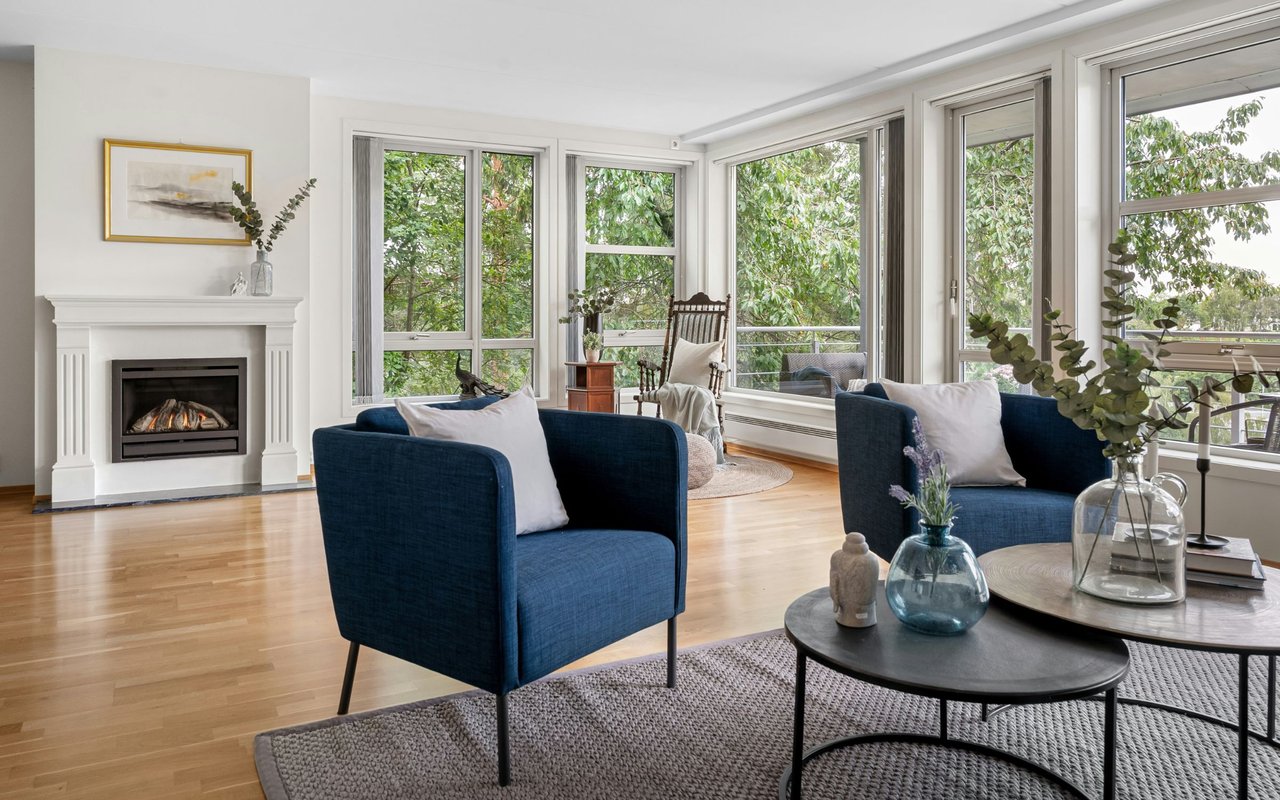
If you keep picturing easy Bay weekends, waterfront sunsets, and a place that feels like an escape without being too far from home, Stevensville likely keeps popping up for a reason. Buying a second home here can support both lifestyle goals and long-term planning, but only if you look beyond the view and understand access, flood risk, taxes, and rental rules. This guide will help you think through the real tradeoffs so you can buy with confidence. Let’s dive in.
Why Stevensville draws second-home buyers
Stevensville sits at the eastern end of the Bay Bridge, which creates a direct connection to the Baltimore, Annapolis, and Washington corridor and Maryland’s Eastern Shore. For many buyers, that matters just as much as the house itself. A second home works better when getting there feels realistic for a quick weekend, not just a holiday trip.
The area also benefits from being part of Queen Anne’s County’s identified growth area, along with Chester, Kent Narrows, and Grasonville. That does not promise appreciation, but it does suggest the area is part of the county’s long-range planning and infrastructure focus. If you are thinking about both enjoyment and future resale appeal, that is a useful piece of the puzzle.
Stevensville also offers the kind of lifestyle many second-home buyers want. State tourism and arts resources highlight waterfront recreation, seafood, wineries, arts, Historic Stevensville, and small-town events. That mix can make the home feel usable in more than one season, which is important when you are weighing the cost of owning a place you will not occupy every day.
What the lifestyle looks like
A second home should fit how you actually want to spend your time. In Stevensville, that often means a mix of outdoor access, dining, arts, and low-key local activities rather than a fast-paced resort setting. If your goal is a relaxed Chesapeake Bay rhythm, the area checks a lot of boxes.
Terrapin Nature Park is one of the strongest examples. Queen Anne’s County describes it as a 276-acre county park with free admission, a 3.25-mile trail, restrooms, picnic areas, and water access. For a weekend-home owner, that kind of nearby amenity can add real day-to-day value without requiring a major plan or expense.
If boating is part of your second-home vision, it is worth noting that the Kent Narrows Waterman’s Boat Basin in Stevensville has 145 boat slips. The county also notes that the slips are currently rented and the marina has a waitlist. That is a reminder to verify access to the features you care about most instead of assuming they will be available after closing.
Historic Stevensville adds another layer to the lifestyle. The Historic Stevensville Arts & Entertainment District has been designated since 2013, and the district is known for galleries, tours, local artists, and seasonal festivals. If you want a second home that feels tied to a real place and not just a map pin near the water, that can matter.
Access matters more than you think
Many buyers fall in love with a second home based on the property, then underestimate the practical side of reaching it. In Stevensville, Bay Bridge access is a major advantage, but it is still something to plan around. Travel ease is part of ownership, not just a side detail.
The Maryland Transportation Authority notes that the Bay Bridge uses E-ZPass electronic tolling and posts weekly traffic advisories for lane closures and traffic patterns. Seasonal travel demand and maintenance can affect timing. If you expect to use the home often, your real ownership budget should include both toll costs and the reality of busy travel windows.
That does not mean Stevensville is inconvenient. It means you should be honest about your habits. If you want a place you will visit often, especially for short stays, the travel pattern has to fit your life.
Flood risk deserves close attention
For many second-home buyers in Stevensville, flood risk is one of the biggest practical issues to review before making an offer. Queen Anne’s County says many properties are prone to flooding because of low-lying topography, high seasonal water tables, poor drainage, and runoff characteristics. That is especially relevant near the Bay or tidal water.
A parcel-level flood-zone review is important because the answer can vary from one property to the next. You should not assume two nearby homes carry the same level of exposure or insurance cost. This is one area where careful due diligence can protect both your budget and your peace of mind.
Queen Anne’s County participates in the National Flood Insurance Program, and county flood resources note that flood coverage is not part of most standard homeowner policies. In practical terms, that means flood risk can affect underwriting and monthly carrying costs. When you compare properties, insurance should sit right next to price in your decision-making process.
Long-distance ownership takes a plan
Owning a second home is different from owning your primary residence because the property is not monitored every day. Even a beautiful, well-located home can become stressful if you do not have a system for maintenance, storm prep, and emergency response. That is especially true in a coastal environment.
Queen Anne’s County flood-safety guidance offers a useful framework for absentee owners. The county recommends creating a personal flood file, keeping insurance documents and household inventories, backing up sump pumps, clearing gutters and downspouts, and designating an out-of-state emergency contact. Those are practical steps that fit the realities of a weekend home.
Before you buy, ask yourself how hands-on you want to be. Are you comfortable coordinating service providers from a distance, or do you want a home that needs less upkeep? The right second home is not just the one that looks best online. It is the one you can manage comfortably over time.
Can you rent it out sometimes?
A lot of buyers ask whether a second home in Stevensville can help offset costs with occasional rental income. The short answer is that maybe it can, but the better question is whether your intended use fits local rules, lender classification, and your own tolerance for management work. That is where smart planning matters.
Queen Anne’s County passed Ordinance 24-09, effective January 11, 2025. The county says it began accepting annual zoning-certificate applications for short-term residential rentals on October 1, 2025, and defines a short-term residential rental as a dwelling used for a fee for less than 30 consecutive days through a hosting platform. If rentals are part of your plan, local compliance needs to be reviewed early.
After zoning approval, owners must register the property with the county Finance Office for room-rental tax collection. The county says the current hotel rental tax rate is 5% of the rental value of transient sleeping accommodations, and short-term-rental payments require prior permit registration with Planning & Zoning. In other words, rental income is not just about demand. It comes with administrative steps and ongoing responsibilities.
How lenders may view a second home
Financing matters because your intended use can affect how a lender classifies the property. Freddie Mac guidance says a second-home mortgage must secure a one-unit property, the borrower must occupy it for some portion of the year, and the home must be kept available primarily for the borrower’s personal use and enjoyment. Short-term rental may be allowed only if the property is not subject to rental-pool or similar arrangements that give others control of occupancy or revenue sharing.
This matters if you are hoping to blend family use with occasional rentals. You want the purchase strategy, financing approach, and local rules to align from the start. A property that works well as a private retreat may not fit the same way if your plan leans more heavily toward income production.
Budget beyond the purchase price
Second-home buyers often focus on down payment and monthly mortgage first, but the full carrying cost matters just as much. Queen Anne’s County’s FY2027 real-property tax rate is $0.80 per $100 of assessed value for the period from July 1, 2026 through June 30, 2027. That gives you a concrete starting point for estimating annual taxes.
You will also want to budget for insurance, maintenance, utilities, travel costs, and any HOA charges if applicable. For some homes, flood insurance may be a major part of the equation. For others, the bigger issue may be upkeep, repairs, or the cost of managing a property that sits empty part of the week or season.
A smart second-home purchase should feel good on the weekends and still make sense on paper. If the true cost starts stretching your long-term plans, it is worth adjusting the property type, price point, or intended use before you buy.
Questions to ask before you buy
If you are serious about a second home in Stevensville, a few focused questions can help you avoid expensive surprises. These are not just buying questions. They are ownership questions.
- Will the property be used mostly for family stays, or is rental income a meaningful part of the plan?
- Is the home in a flood-prone area, and do current insurance and elevation assumptions still make sense?
- Can you realistically maintain, secure, and service the home from a distance?
- Do property taxes, travel costs, repair reserves, and rental compliance still fit your long-term wealth plan?
The goal is not to talk yourself out of buying. The goal is to buy the right property for the way you actually want to use it.
The right second home is a lifestyle fit
Stevensville can be a compelling choice if you want Chesapeake Bay access, a manageable connection to the western shore, and a lifestyle built around water, trails, arts, and small-town events. It also comes with real planning considerations, especially around flood exposure, travel patterns, and rental compliance. When you evaluate the area with both heart and discipline, you put yourself in a much stronger position.
If you are weighing a second home in Stevensville and want practical guidance tailored to your goals, Romeo Santos III can help you think through lifestyle fit, carrying costs, and long-term strategy with a clear local lens.
FAQs
What makes Stevensville appealing for a second home?
- Stevensville offers Bay Bridge access, waterfront recreation, arts and events, and proximity to amenities like Terrapin Nature Park and Historic Stevensville.
What should buyers know about flood risk in Stevensville?
- Queen Anne’s County says many properties are prone to flooding due to low-lying topography, high water tables, poor drainage, and runoff, so parcel-level review and flood-insurance budgeting are important.
What are the short-term rental rules for a second home in Queen Anne’s County?
- Under Ordinance 24-09, short-term residential rentals require local zoning review, and after approval owners must register with the county Finance Office for room-rental tax collection.
What is the current Queen Anne’s County property tax rate for real estate?
- The county’s FY2027 real-property tax rate is $0.80 per $100 of assessed value.
How should you budget for a second home in Stevensville?
- In addition to the mortgage, buyers should account for property taxes, insurance, maintenance, utilities, travel costs, and any applicable HOA or rental-compliance expenses.