
What Home Sellers Should Know Now
In today’s shifting real estate climate, sellers face rising competition and more discerning buyers. Inventory levels are inching up, giving buyers greater negotiating power. As a result, nearly one in two home sellers are boosting offers with perks known as seller concessions—to sway decisions at the closing table. This post breaks down what concessions are, why they matter in 2025, and how savvy sellers can use them to their advantage.
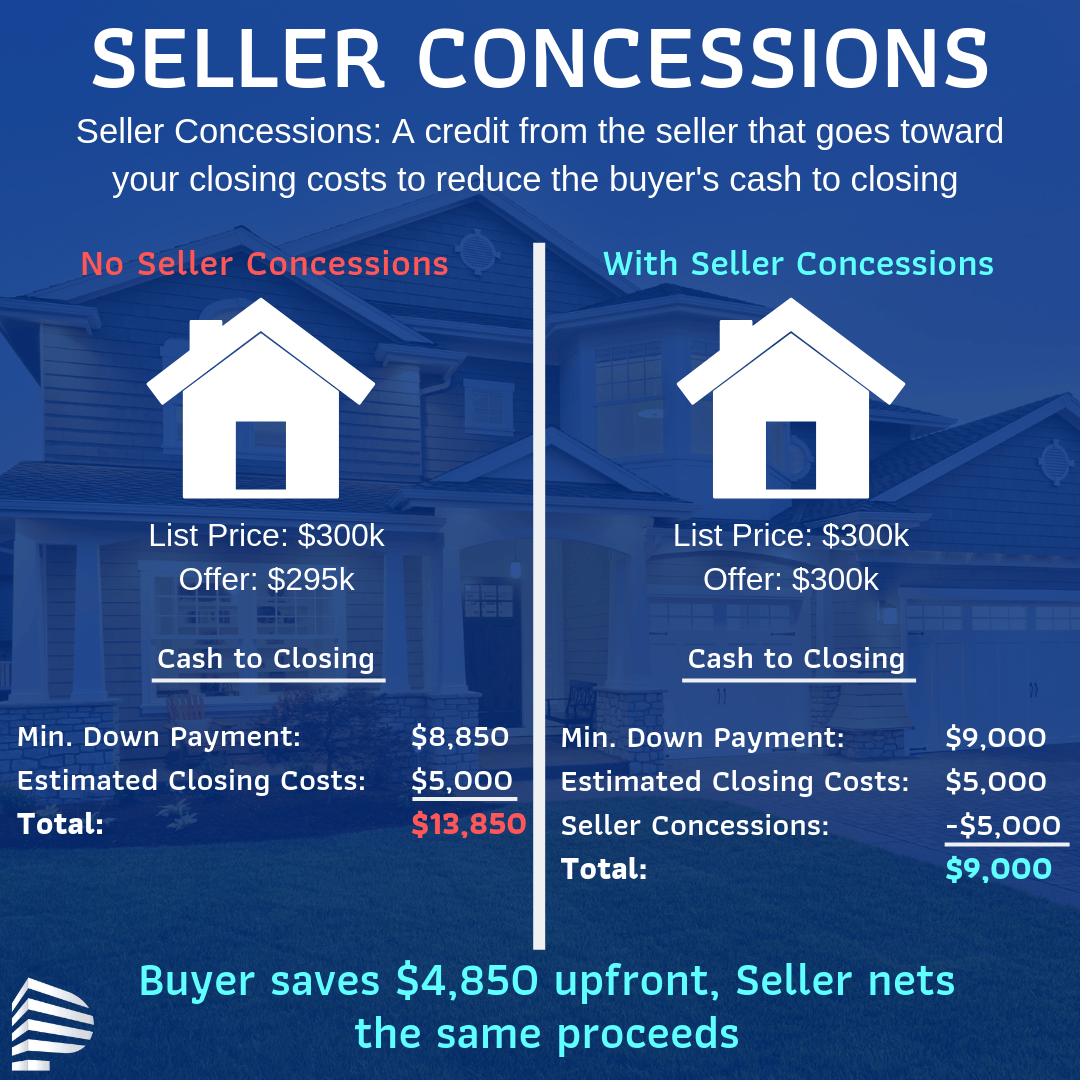
How Common Are Seller Concessions in 2025?
- 44.4% of U.S. home sales in Q1 2025 included seller concessions—up from 39.3% a year earlier and just shy of the record 45.1% seen in early 2023 Coldwell Banker Commercial.
- This escalation reflects a slowing market. With demand softening due to high prices, steep mortgage rates, and economic uncertainty, sellers are compelled to offer more to close deals.
- In Seattle, an astonishing 71.3% of deals included concessions—double the share from the prior year, the steepest rise among 24 metropolitan areas studied.
- Other top metros: Portland (63.9%), Los Angeles (56.1%), Atlanta, San Diego, and Denver also reported elevated concession frequency.
- Meanwhile, some markets like New York (5.5%), Miami, and Tampa Bay (~33%) are seeing fewer concessions; sellers there have already lowered prices or adjusted expectations.
| Statistic / Insight | 2025 Reality |
|---|---|
| National concession share | 44.4% of sales (Q1 2025) |
| Record high level | 45.1% in early 2023 |
| Top metro for concessions | Seattle – 71.3% |
| Looser markets | New York, Miami: fewer concessions offered |
| Common concessions | Closing costs, repairs, rate buydowns, HOA coverage |
What Is a Seller Concession?
Seller concessions are incentives offered by the seller to reduce a buyer’s costs and enhance the appeal of a listing. Common forms include:
- Closing cost coverage (e.g., appraisal, title, loan origination fees)
- Repair allowances or credits
- Mortgage-rate buydowns to lower monthly payments
- HOA fee coverage, home warranties, and more
According to NAR, concessions are negotiated within the purchase agreement and can be expressed as a fixed amount or percentage of the sale price. Although beneficial, they typically must remain within lender-set limits often between 3%–6%, depending on loan type.
Why Concessions Are So Prevalent in 2025
- More listings, more competition
Housing inventory is rising up nearly 29% nationally giving buyers more leverage and pressuring sellers to stand out with additional perks. - Affordability strains persist
Elevated home prices and mortgage rates continue to deter buyers. Concessions make purchasing more achievable without significantly trimming the sale price. - Preserving seller proceeds
Sellers prefer concessions over lowering the asking price. This approach offers buyers financial relief while preserving seller expectations, especially important for those who bought at market peaks. - Targeted incentives are effective
In markets like Seattle, concessions often include mortgage buydowns or even several months of HOA fees tailored perks that tip negotiations in favor of closing.
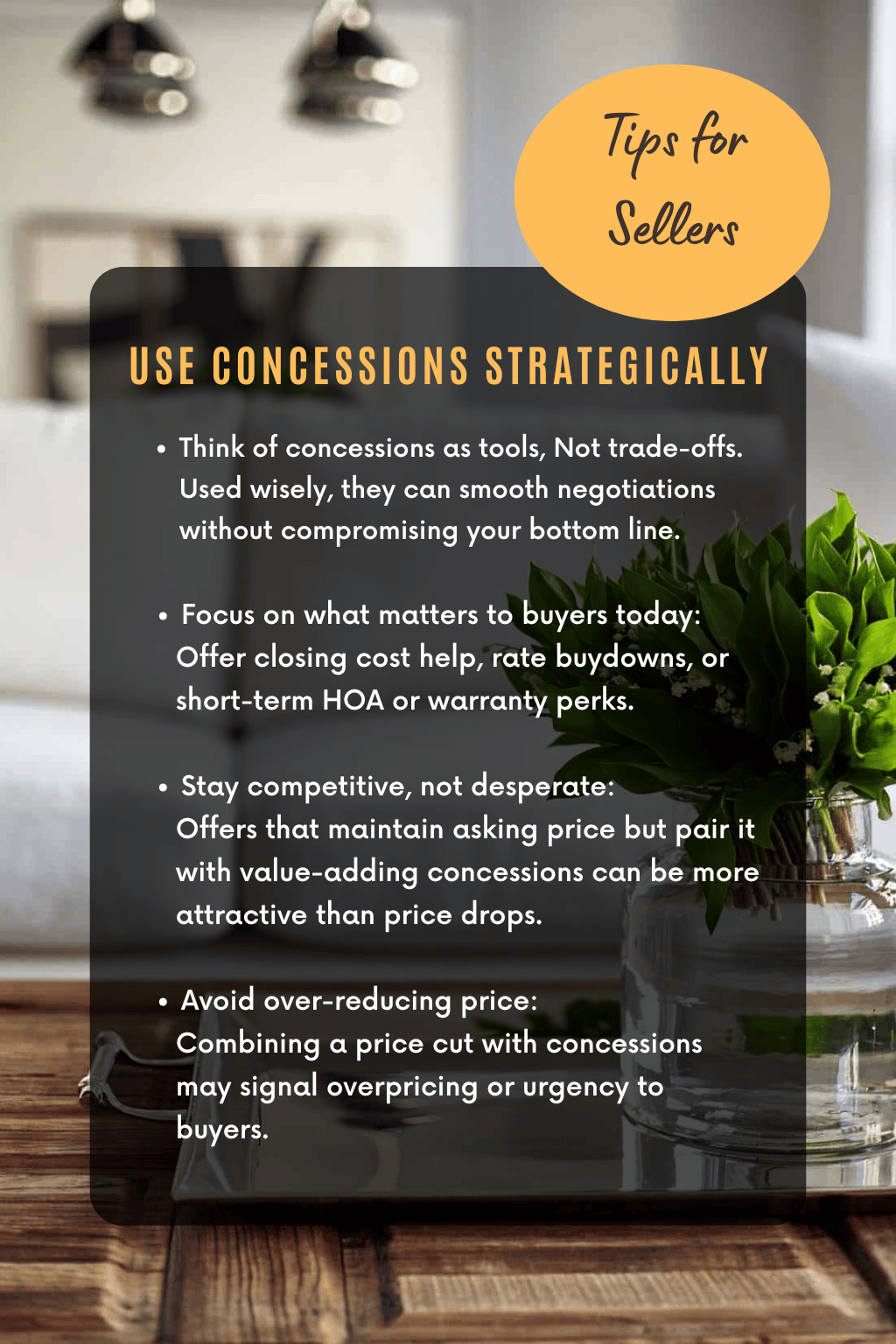
The 2025 housing landscape leans increasingly buyer-friendly. Nearly half of all home sellers are leveraging concessions as strategic incentives to close deals. Whether you’re looking to move quickly or protect your net proceeds, concessions offer a flexible path forward, so long as they’re thoughtfully curated. Want hyper-local guidance or insight into what’s working in your market? Let’s chat and craft a concession strategy that puts your home in the best light.
Home Maintenance
From roof to foundation, we keep your home market-ready and worry-free — starting with a FREE roof inspection!