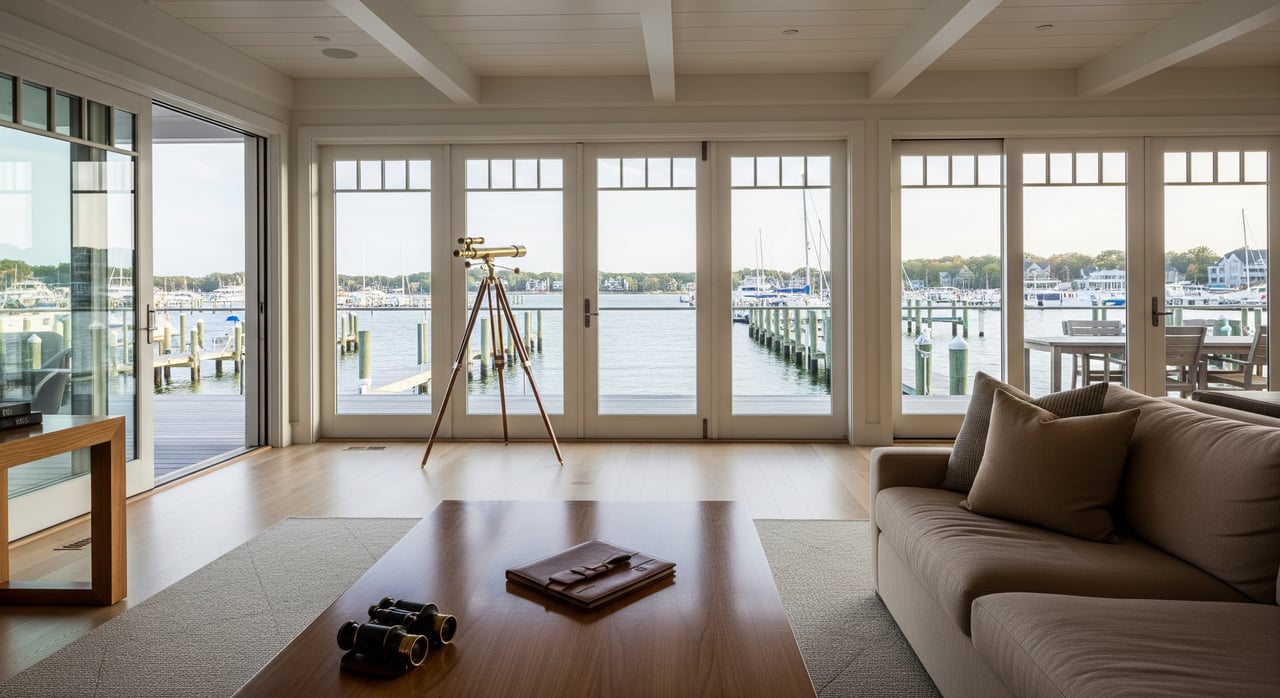
Competing for a cozy Eastport home and wondering if an escalation clause could help you win without overpaying? You are not alone. With limited inventory and waterfront appeal, Eastport homes often attract multiple offers, especially in spring and summer. In this guide, you will learn what an escalation clause is, how it works in Eastport, the risks to watch, and smart steps to use one with confidence. Let’s dive in.
What an escalation clause is
An escalation clause is an addendum in your offer that automatically raises your price if there is a verified higher offer, up to a maximum you set. It helps you stay competitive without leading with your top dollar.
Key parts of an escalation clause:
- Base offer price: your starting number.
- Increment: how much you will outbid another offer, such as $2,000 to $5,000.
- Cap: the most you are willing to pay.
- Proof requirement: seller must show acceptable evidence of a competing offer.
- Effective price: your price becomes the next-highest verified offer plus your increment, not your cap, unless the increment pushes you to the cap.
How it works in Eastport
Eastport is a small, high-demand Annapolis peninsula with water access and a mix of cottages and single-family homes. Well-located or updated homes, and especially waterfront properties, can draw multiple offers. Escalation clauses are often considered in these scenarios.
Seasonality matters. Activity typically rises in spring and summer, which can increase competition and the likelihood that an escalator becomes useful.
Local practice often requires the seller to provide a redacted copy of a competing offer to verify price and terms before applying your escalation. Some sellers prefer clean, simple offers or ask for highest-and-best instead, so you should be ready to pivot.
Pros and cons for buyers
Advantages:
- Keeps your offer competitive without immediately offering your ceiling.
- Limits overbidding by only escalating when needed.
- Signals that you are serious and prepared.
Disadvantages and risks:
- Reveals your maximum price to the seller.
- Final price may exceed market value or appraisal.
- Lender underwrites to contract price. If appraisal is low, you cover the gap or renegotiate.
- Some sellers decline escalators or will not provide sufficient proof of competing offers.
- Non-price terms from other offers can sway the seller even if you escalate on price.
Appraisal, financing, inspection
Appraisal and underwriting are central to escalated offers. If the home appraises below your escalated price, most lenders will not lend above the appraised value. You would need to bring extra cash or renegotiate.
In Eastport, older homes and historic properties are common. If you shorten or remove inspections to be competitive, you raise the risk of missing defects like older mechanicals, structural issues, mold, or flood-related damage. Keep inspection protection when possible, even if you shorten timelines.
Eastport has areas with flood exposure. Factor potential flood insurance costs and lender requirements into your true maximum before you set a cap. Include property taxes, transfer taxes, and typical closing costs when you calculate total cash needs.
Example numbers that add up
Here is a simple illustration:
- Base price: $600,000
- Increment: $5,000
- Cap: $640,000
- Highest verified competing offer: $615,000
Your escalated price would become $620,000, which is the verified offer plus your increment, provided it stays at or under your cap. If the best competing offer is $639,500, your final price depends on the exact wording, and you may land at your cap.
When to use one
Use an escalation clause when data supports likely multiple offers and you have a clear, defensible maximum. It works best when you are confident in your financing, cash reserves, and inspection plan.
If the seller asks for your highest-and-best and declines escalators, decide whether you are comfortable stating your top price without an escalator. Be ready to walk if the numbers push beyond your comfort or cash limits.
Set a smart cap and increment
Your cap should equal the maximum you would be happy to pay if you win. Do not choose a placeholder and plan to revisit later. Base your number on recent comparable sales, condition, and your financing limits.
Choose an increment that balances competitiveness with value. Tighter increments, such as $2,000 to $5,000, can reduce the chance of jumping far above a competing offer. Large increments can make you pay more than necessary.
Sample clause options
Below are plain-language examples you might see. The exact addendum should be prepared with your agent and aligned with Maryland forms.
Basic escalation clause (conservative)
"Buyer offers $600,000 as base price. If Seller receives a bona fide higher written offer, Buyer agrees to increase the purchase price to an amount equal to the highest competing offer plus $2,500, not to exceed $630,000. Seller must provide a copy of the competing offer (with personal information redacted) to verify price. All other contract terms remain as written."
Escalation with appraisal protection
"Buyer offers $600,000 base. Buyer will escalate to highest competing offer plus $5,000, up to a maximum purchase price of $650,000. If the final contract price exceeds the appraised value, Buyer will pay up to $10,000 in cash toward the difference between the appraised value and purchase price; any additional gap will be the responsibility of Buyer unless otherwise agreed in writing."
Aggressive escalation
"Buyer offers $610,000 base. Buyer will escalate to the highest competing offer plus $10,000, up to $680,000. Seller to provide verification. Buyer acknowledges the escalated price may exceed appraised value and will provide required additional funds per lender if necessary."
Proof condition language
"Seller shall provide the Buyer, through Seller’s Brokerage, a copy of the higher competing offer(s) showing the purchase price and financing terms. Personal identifiers may be redacted. Seller's obligation to adjust purchase price is conditioned upon receipt of such verification."
Eastport buyer checklist
Before you use an escalator, confirm these items:
- Get a firm pre-approval with a clear maximum loan amount and reserves.
- Verify cash on hand for a higher down payment if needed, closing costs, and a possible appraisal gap.
- Review recent comparable sales to set a true cap.
- Decide on your increment and whether to include an appraisal-gap plan.
- Keep inspection protection, but consider shorter timelines to stay competitive.
- Incorporate local costs that affect your cap, such as flood insurance and specialized inspections for older or waterfront homes.
Negotiation tips that work
- Use escalation only when evidence suggests multiple offers are likely.
- Choose a cap you can live with and a sensible increment.
- Ask for proof-of-offer with reasonable redaction to make verification practical.
- If the seller prefers highest-and-best, decide whether you can state your top number with confidence.
- Pair escalation with clean, reasonable timelines rather than risky contingency waivers.
Common pitfalls to avoid
- Submitting an escalator without firm pre-approval and cash reserves.
- Letting emotion set the cap or increment rather than data.
- Treating an escalator as a shortcut when the market value is already above your base price.
- Accepting verbal statements about competing offers without written verification.
- Waiving inspections or financing for competitiveness and later facing costly surprises.
Next steps for Eastport buyers
If you are eyeing a home in Eastport, prepare before the right listing hits. Confirm your financing, decide your true maximum, and plan your inspection and appraisal strategy. A well-crafted escalation clause can help you win the home you love while protecting your budget and your peace of mind.
Want a tailored plan for your Eastport search? Connect with Romeo Santos III for local guidance, offer strategy, and step-by-step support from offer to closing.
FAQs
What is an escalation clause in Eastport home buying?
- It is an offer addendum that automatically raises your price in response to a verified higher offer, up to a cap you set.
How do appraisals impact escalated offers?
- If the home appraises below your escalated price, most lenders will not lend above the appraised value, so you may need extra cash or a renegotiation.
Should I add an appraisal-gap clause in Eastport?
- Consider one only if you understand the cash required and your lender accepts it, since it commits you to cover part of any appraisal shortfall.
Will Eastport sellers accept escalation clauses?
- Some will, while others prefer highest-and-best or a simple fixed price; be ready to adapt to the listing agent’s approach.
What proof of competing offers should I expect?
- Expect a redacted copy of a competing offer that verifies price and key terms, with personal information removed for privacy.