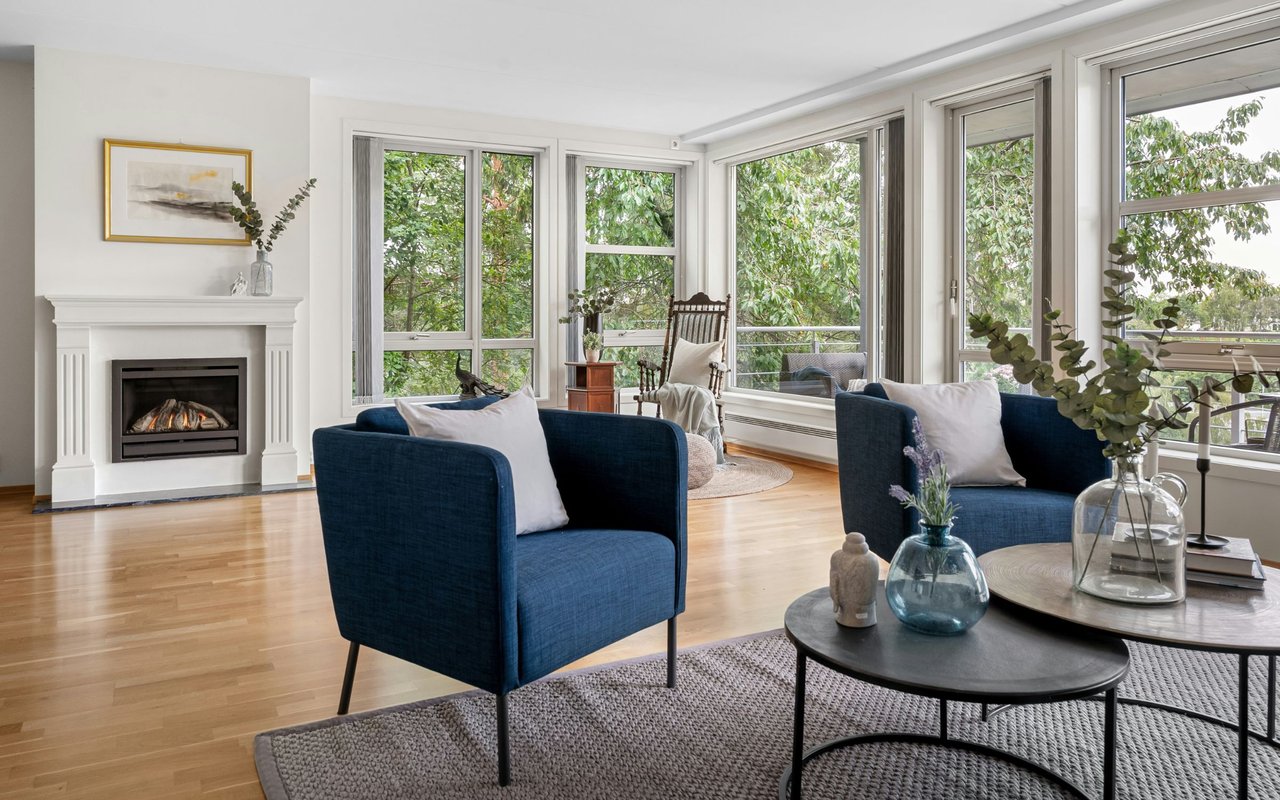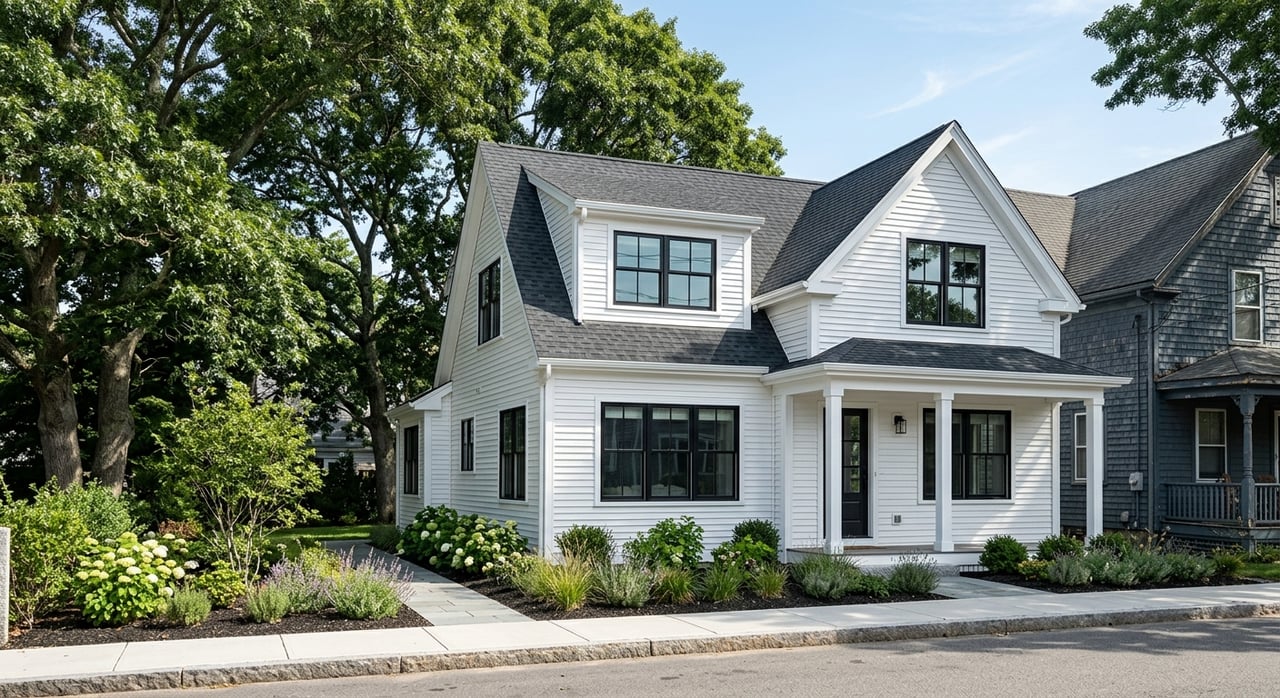
Buying in Edgewater often comes down to one big question: do you want the clean slate of new construction or the character of an established community? If you are weighing both, you are not alone. Edgewater offers a mix of older resale homes, water-oriented neighborhoods, and a smaller number of newer builds, so the right choice depends on your budget, timing, and how you want to live day to day. Let’s dive in.
Edgewater’s Housing Mix
Edgewater is still mostly an older-housing market. According to the Maryland State Data Center ACS profile, only 0.2% of housing units were built in 2020 or later, and 1.6% were built in 2010 through 2019.
That matters because new construction is not the default option here. Most of Edgewater’s housing stock was built decades earlier, with large shares from the 1970s, 1980s, 1990s, and 2000s. In practical terms, that means buyers usually have more resale choices than brand-new ones.
Pricing also reflects that mix. Census QuickFacts lists the median value of owner-occupied homes in Edgewater at $454,100, while Zillow shows a median sale price of $530,333 as of October 2025.
What New Construction Looks Like in Edgewater
If you are shopping for a newly built home in Edgewater, you are likely looking at a limited supply. One current example is Meadows at Austin Crest, a small D.R. Horton community with five homesites.
In that community, the Hayden plan starts at $779,990 for 2,511 square feet, 5 bedrooms, and 3 baths. Quick-move-in homes are listed around $822,590 to $869,990. That places new construction well above Edgewater’s broader median sale price.
New-build homes in Edgewater often stand out for their layout and convenience-focused features. Builder marketing for Meadows at Austin Crest highlights open-concept living, gourmet kitchens, a smart-home package, 2- or 3-car garages, extra space for boat trailers, and walking access to Selby Bay Marina.
For some buyers, that turnkey feel is the biggest draw. You may get modern finishes, a more predictable floor plan, and fewer immediate repair concerns compared with an older home.
What Established Communities Offer
Established communities give you a much wider range of price points and home styles. Current Edgewater listings stretch from a $345,000 coming-soon 2-bedroom home at 792 square feet to a $1.68 million waterfront property, with many homes in between around $465,000 to $675,000.
That range shows how varied the resale market can be. In Edgewater, price is often shaped by lot size, condition, updates, and water orientation just as much as square footage.
Neighborhoods such as Cape Loch Haven and Woodland Beach show that variety clearly. Current listings include homes built in 1930, 1934, 1983, and 1986, and some mention water-oriented settings near beaches, community boat docks, boating and fishing access, and historic Londontown Gardens.
Some established neighborhoods also do not have HOA restrictions. If you value a more flexible setting, a less uniform streetscape, or the feel of a neighborhood that has evolved over time, resale communities may be more appealing.
New Construction vs Established Communities
Compare Price and Entry Point
For many buyers, price is the first filter. In Edgewater, new construction currently sits at a noticeable premium compared with the area-wide median.
That does not automatically make one option better than the other. It simply means that if your goal is the lowest possible entry point into Edgewater, established communities will usually offer more choices.
If your budget allows for a newer home and you prefer fewer upfront updates, paying that premium may feel worthwhile. If you would rather maximize location, lot, or water access for the money, resale may open more doors.
Compare Design and Layout
New construction tends to be more standardized. You are more likely to find open-concept kitchens, larger primary suites, integrated storage, and current finishes that fit today’s buyer preferences.
Established homes can feel very different from one another. Some may have been fully updated, while others keep older layouts, original details, or additions made over time.
That variety can be a plus if you want something less cookie-cutter. It can also mean you need to look more carefully at how the home functions for your lifestyle now, not just how it looks online.
Compare Maintenance and Warranty
One of the strongest advantages of new construction is warranty coverage. The FTC notes that many newly built homes include a builder warranty that typically covers workmanship and materials for about one year, systems like HVAC, plumbing, and electrical for about two years, and some structural defects for up to 10 years.
That does not mean a new home is maintenance-free. It does mean you may have less risk of immediate surprise repairs than you would with an older home that is well outside those warranty windows.
In Edgewater, that difference matters because the market skews older. With resale homes, condition can vary a lot from property to property, so the inspection process becomes especially important.
Compare HOA Structure
HOA expectations can look very different depending on the community. In Maryland, HOAs and similar communities fall under common ownership community rules, and the Maryland Department of Housing and Community Development says owners can inspect books and records, request financial statements and meeting minutes, and receive the annual proposed budget at least 30 days before adoption.
In a newer community, the HOA structure and common-area maintenance are often more visible from the start. In established Edgewater neighborhoods, you may find anything from no HOA at all to a smaller or more traditional association setup.
This is not just a paperwork issue. HOA structure affects your monthly costs, maintenance responsibilities, and how much community oversight you are comfortable with.
Compare Timeline and Move-In Flexibility
Your timing can also shape the decision. In Edgewater, new-construction options may include both buildable plans and quick-move-in homes, so your timeline depends on the builder’s inventory and construction stage.
Existing homes are already built and listed as resale inventory. If you need a home on a tighter timeline, an established property may offer more immediate options.
On the other hand, if you have flexibility, a buildable new home may let you secure a property that better matches your preferences. The tradeoff is often waiting longer and accepting less room for negotiation on timing.
Compare Taxes and Closing Costs
In Anne Arundel County, the FY26 real-property tax rate is $1.089 per $100 of assessment for properties outside Annapolis and Highland Beach. The county recordation tax is $7 per $1,000, and the county transfer tax is 1% up to $999,999.99 and 1.5% at $1 million or more.
Because these costs scale with value, a higher-priced new build and a higher-priced waterfront resale can both carry larger tax and closing expenses. In many cases, the bigger factor is not whether the home is new or old, but the final purchase price and whether the property includes HOA-related costs.
Which Choice Fits Your Lifestyle?
If you like predictability, newer finishes, and the idea of warranty-backed ownership, new construction may feel like the easier path. It can be especially appealing if you want a home that needs little work right after closing.
If you care more about variety, neighborhood character, water-oriented settings, or a broader range of price points, established communities often give you more to choose from. In Edgewater, that is where much of the market’s personality lives.
The best answer usually comes down to how you balance convenience, cost, and setting. A brand-new home may check the boxes for layout and peace of mind, while an older home may offer more lot flexibility, more architectural variety, or a location that feels more connected to the Chesapeake Bay lifestyle.
A Smart Way to Decide in Edgewater
The smartest way to compare these options is to look beyond the label. Instead of asking whether new construction is better than resale, ask which home gives you the best fit for your budget, timeline, and long-term goals.
In Edgewater, that question matters even more because the market is not dominated by new builds. You are choosing between two very different ownership experiences, and each can be a strong move when it matches your priorities.
If you want help comparing specific Edgewater neighborhoods, builder communities, or resale opportunities, connect with Romeo Santos III for local guidance built around your goals.
FAQs
What is the biggest difference between new construction and established communities in Edgewater?
- The biggest difference is supply and pricing. Edgewater is mostly an older-housing market, so established communities offer more variety and often lower entry prices, while new construction is limited and usually priced above the local median.
Are new construction homes more expensive in Edgewater?
- Usually, yes. A current new-construction example in Edgewater starts at $779,990, which is well above Zillow’s reported median sale price of $530,333 for the area as of October 2025.
Do established Edgewater neighborhoods always have HOAs?
- No. Some established neighborhoods in Edgewater have no HOA at all, while others may have smaller or more traditional association structures.
Do new construction homes in Edgewater come with a warranty?
- Many newly built homes include builder warranty coverage. Typical coverage often includes about one year for workmanship and materials, about two years for certain systems, and longer coverage for some structural defects.
Is it easier to move quickly with an existing Edgewater home?
- Often, yes. Existing homes are already completed and listed for resale, while new construction timelines depend on whether the home is a quick-move-in property or still in the build process.
How should buyers compare Edgewater new builds and resale homes?
- Focus on your budget, preferred timeline, maintenance comfort level, HOA preferences, and desired setting. In Edgewater, the right choice is usually the one that best matches how you want to live and what you want your money to do for you.