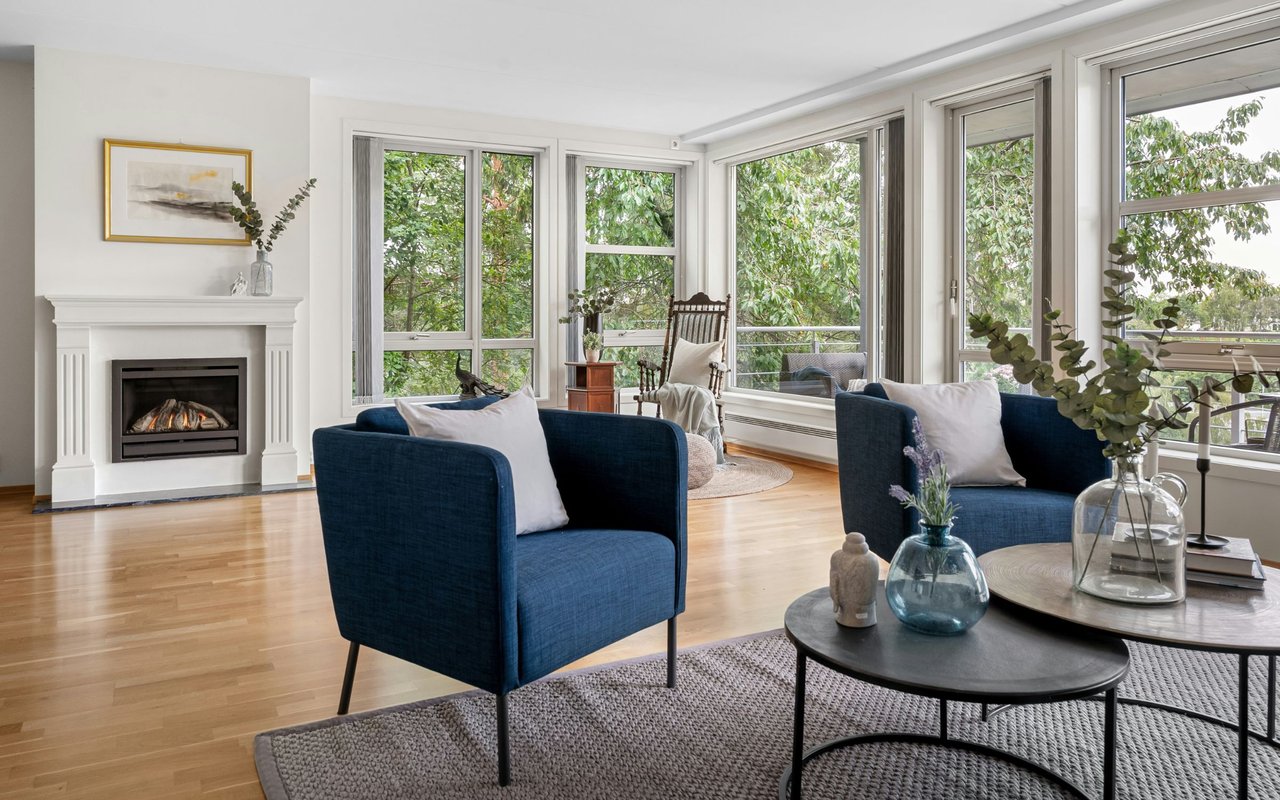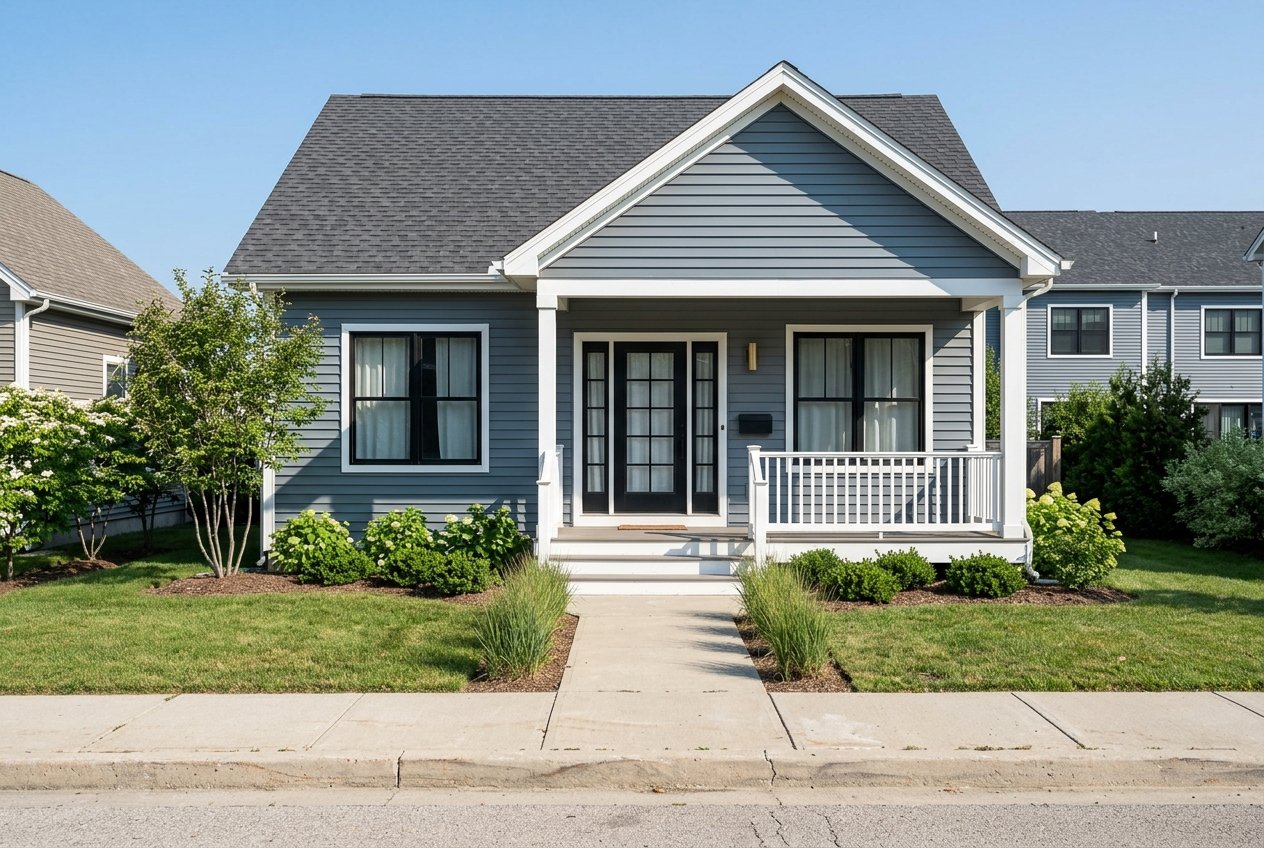
Trying to decide between a condo, townhome, or single-family home in Annapolis? You are not alone. In a city with waterfront living, walkable streets, and a wide mix of housing types, the right fit often comes down to how you want to live, what you want to maintain, and how you want your monthly costs to feel over time. This guide breaks down the tradeoffs in Annapolis so you can compare your options with more clarity and confidence. Let’s dive in.
Why Annapolis gives you real choices
Annapolis is not a one-size-fits-all market. City planning data shows a true mix of detached homes, attached homes, and multi-unit buildings, which means condos, townhomes, and single-family homes all play a meaningful role in the local housing picture.
That matters because your decision is not just about budget. It is also about lifestyle, upkeep, access to amenities, and how much control you want over the property. In a dense, walkable Chesapeake Bay city like Annapolis, each home type can make sense for a different kind of buyer.
How prices compare in Annapolis
Recent market snapshots suggest that condos are often the lower entry point, townhomes tend to fall in the middle, and single-family homes may command more overall due to land, privacy, and flexibility. Realtor.com places Annapolis at about a $598,500 median listing price, while Redfin’s March 2026 snapshot shows a roughly $622,000 median sale price citywide.
Looking more closely, Redfin shows condos at about a $415,000 median listing price and townhomes at about $550,000. These numbers come from different platforms and should be read as directional, not exact side-by-side comparisons, but they still help show how attached housing can open the door to Annapolis for buyers who want a lower starting price.
Condo living in Annapolis
Why buyers choose condos
A condo is often the easiest option when your top priority is low maintenance. In many condo communities, the association handles much of the exterior work and shared spaces, which can reduce the number of maintenance tasks landing on your to-do list.
That setup can be especially appealing in Annapolis if you want to spend more time enjoying the city and less time managing a yard or exterior repairs. If walkability, water access, and simpler ownership are high on your list, a condo may feel like the cleanest fit.
What to watch with condo costs
Lower maintenance does not mean lower monthly costs across the board. Condo dues are typically paid directly to the association and are not included in your mortgage payment. Depending on the community, those dues can range from a few hundred dollars to more than $1,000 per month.
In Maryland, condo associations must carry a master insurance policy, and unit owners may also need their own policy. So when you compare condos in Annapolis, look beyond the list price and ask what the monthly dues cover, what insurance you need, and how those costs change your total payment.
Where condos make sense locally
In Annapolis, condos often appeal to buyers who want to be near the water or in more walkable settings. Eastport is one local example worth understanding. The city describes Eastport as a peninsula between Spa Creek and Back Creek, and the area includes residential housing alongside waterfront uses.
For buyers drawn to a coastal lifestyle with less upkeep, condo living can line up well with that setting. Just remember that in low-lying or waterfront-adjacent areas, flood exposure and insurance deserve careful review.
Townhomes in Annapolis
Why townhomes hit the middle ground
Townhomes often offer the balance many buyers want. You may get more privacy and space than a condo, but with less maintenance responsibility than a detached home in some communities.
That middle-ground appeal is a big reason townhomes remain popular in Annapolis. If you want multiple levels, a bit more separation from neighbors, or more room to grow without taking on the full upkeep of a single-family property, a townhome may be the sweet spot.
How upkeep usually works
Ownership responsibilities in a townhome can vary by community. Some associations cover major exterior items or amenities, while others leave more of the exterior maintenance to the owner.
That is why the details matter. Before you buy, make sure you understand what the HOA handles, what you handle, and how that affects your monthly budget and long-term planning.
Where townhomes appear in Annapolis
Townhomes are common in mixed in-town and corridor-style settings. The city’s Ward 3 materials describe a housing mix that includes single-family homes, ranchers, townhomes, duplexes, apartments, and other housing types in areas around West Street, Chinquapin Round Road, Forest Drive, and Old Solomons.
For many buyers, that kind of setting offers a practical blend of city access and living space. You can often stay connected to Annapolis daily life without taking on the full footprint and upkeep of a detached home.
Single-family homes in Annapolis
Why buyers prefer detached homes
Single-family homes usually offer the most control. You have more freedom over the structure, yard, and future improvements, which can be a major advantage if privacy, outdoor space, or renovation flexibility matter to you.
That control can be especially valuable in a place like Annapolis, where lifestyle and long-term property strategy often go hand in hand. If you are thinking not only about how you want to live now but also how you may improve or adapt the property over time, a detached home may offer the most room to shape that plan.
What to expect on maintenance
The tradeoff is responsibility. With a single-family home, you typically carry the full maintenance load yourself. That includes the roof, siding, yard, systems, and any unexpected repairs that come with older homes or waterfront conditions.
Your real monthly housing cost should include more than principal and interest. Property taxes, homeowner’s insurance, possible flood insurance, maintenance, and HOA fees if applicable all belong in the picture.
Where detached homes stand out
Single-family homes show up most strongly in lower-density parts of the city. The West Annapolis Sector Study says West Annapolis is mostly zoned for single-family residences, and city materials also describe Eastport as mostly residential with detached homes.
If you want more yard control, more separation, or a more traditional house setting, these kinds of areas may be worth exploring. They still keep you connected to the wider Annapolis lifestyle while offering a different ownership experience than attached housing.
Monthly costs matter more than purchase price
One of the biggest mistakes buyers make is focusing too much on the sale price and not enough on the full monthly picture. In Annapolis, two homes with similar purchase prices can feel very different once you account for dues, insurance, taxes, and maintenance.
For local property taxes, Anne Arundel County’s FY26 tax table shows that City of Annapolis real property is taxed at a combined rate of 1.433 per $100 of assessment, made up of county, state, and municipal rates. The city also says its municipal rate of 0.7380 per $100 has remained unchanged since 2018 and stays flat in FY27.
If the home will be your owner-occupied principal residence, the county says the Homestead Credit caps taxable assessment growth at 2% for county taxes, while the City of Annapolis cap is 10% for city taxes. This is helpful context when you plan for long-term ownership costs, no matter which housing type you choose.
Lifestyle in Annapolis should shape your choice
Annapolis is more than a housing search. It is a lifestyle market. The city describes itself as dense and walkable, and it offers 40 parks and trails across more than 200 acres of parkland.
The city’s transit information also notes bus routes serving places such as Eastport, Westfield Mall, and Annapolis Towne Center. For buyers who want less yard work and more access to dining, recreation, and getting around town, condos and townhomes can be especially attractive.
If your ideal weekend includes hosting outside, gardening, or tackling home projects, a single-family home may better match your routine. The right answer often starts with how you want your average Tuesday to feel, not just your future resale goals.
Flood risk and waterfront reality
In Annapolis, flood risk deserves real attention, especially if you are considering waterfront or low-lying property. The city says Annapolis is susceptible to nuisance flooding, most often from March through September, and specifically identifies downtown City Dock and Eastport as low-lying areas affected by flooding.
The city has also tied its planning to sea-level-rise forecasts and launched the City Dock Resiliency Project in response to recurrent flooding. For buyers, that means flood insurance, elevation, and property-specific due diligence should carry as much weight as finishes or floor plan.
If you are looking near the shoreline, there is another layer to understand. The city says more than half of Annapolis falls within the Critical Area, which means many waterfront parcels come with added regulatory context. In practical terms, that can affect future improvement flexibility, so it is smart to evaluate those issues early.
A simple way to choose
Choose a condo if you want
- Lower-maintenance ownership
- A potentially lower entry price
- Walkability or water-adjacent living
- Less exterior responsibility
Choose a townhome if you want
- More space than a condo
- A middle ground on upkeep
- A city location with a connected neighborhood feel
- A balance between monthly cost and privacy
Choose a single-family home if you want
- More privacy and yard control
- Greater flexibility for improvements
- More autonomy over the property
- Space that better supports long-term customization
Why local guidance matters in Annapolis
In a market like Annapolis, the right home type is rarely just a spreadsheet decision. Waterfront exposure, association structure, neighborhood layout, tax implications, and maintenance expectations can all shape whether a home feels like a smart fit six months from now and six years from now.
That is where a local, concierge-style approach makes a difference. When you compare condos, townhomes, and single-family homes through the lens of both lifestyle and long-term value, you make a more confident move.
If you want help narrowing down the best fit for your goals in Annapolis, Romeo Santos III can help you compare options with clear local insight and a practical strategy tailored to how you want to live.
FAQs
What is usually the most affordable home type in Annapolis?
- Based on recent local market snapshots, condos are often the lower entry point, with townhomes in the middle and single-family homes generally at the higher end, though neighborhood and property specifics can change that pattern.
What costs should Annapolis condo buyers budget for besides the mortgage?
- You should plan for condo association dues, unit-owner insurance if required, property taxes, and any other regular ownership costs that are separate from your mortgage payment.
How do Annapolis townhomes compare with condos and detached homes?
- Townhomes usually offer a middle-ground option with more space and privacy than many condos, but often less maintenance responsibility than a single-family home, depending on the community rules.
What should Annapolis single-family buyers know about upkeep?
- Single-family homes usually give you more control over the property, but you also take on more responsibility for exterior maintenance, yard care, repairs, insurance, and long-term system replacement.
How important is flood risk when buying in Annapolis?
- Flood risk is a major local factor, especially in low-lying and waterfront areas such as parts of downtown and Eastport, so buyers should review flood exposure, insurance needs, and property-specific conditions carefully.
Do Annapolis property taxes change by home type?
- The local tax bill is driven by assessed value and jurisdiction rather than whether the property is a condo, townhome, or single-family home.